Viburnum Bush: The Easytogrow Shrub That Will
Viburnum bushes are a popular choice for gardeners because they are easy to grow and care for. They come in a variety of colors and sizes, so you can find one that is perfect for your landscape. Viburnums are also known for their beautiful flowers, which can attract butterflies and other pollinators.
In this blog post, we will discuss the different types of viburnum bushes, how to plant and care for them, and some of the benefits of growing them in your garden.
Types of Viburnum Bushes
There are over 200 species of viburnum bushes, so there is sure to be one that is perfect for your garden. Some of the most popular types of viburnum bushes include:
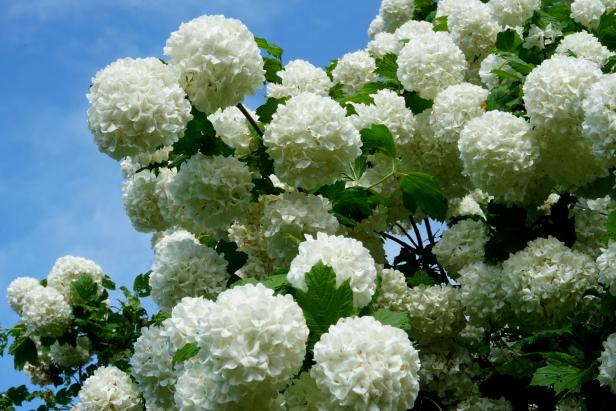
- Snowball viburnum: This is a large shrub that produces large clusters of white flowers in the spring. It is hardy in zones 3-8.

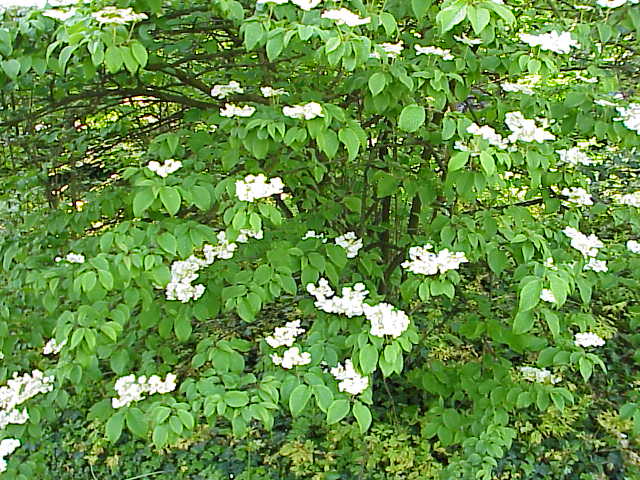
- Doublefile viburnum: This is a smaller shrub that produces clusters of pink or white flowers in the spring. It is hardy in zones 4-8.
- Harlequin viburnum: This is a deciduous shrub that produces white flowers in the spring. The leaves of this viburnum are variegated with green, cream, and pink. It is hardy in zones 5-8.
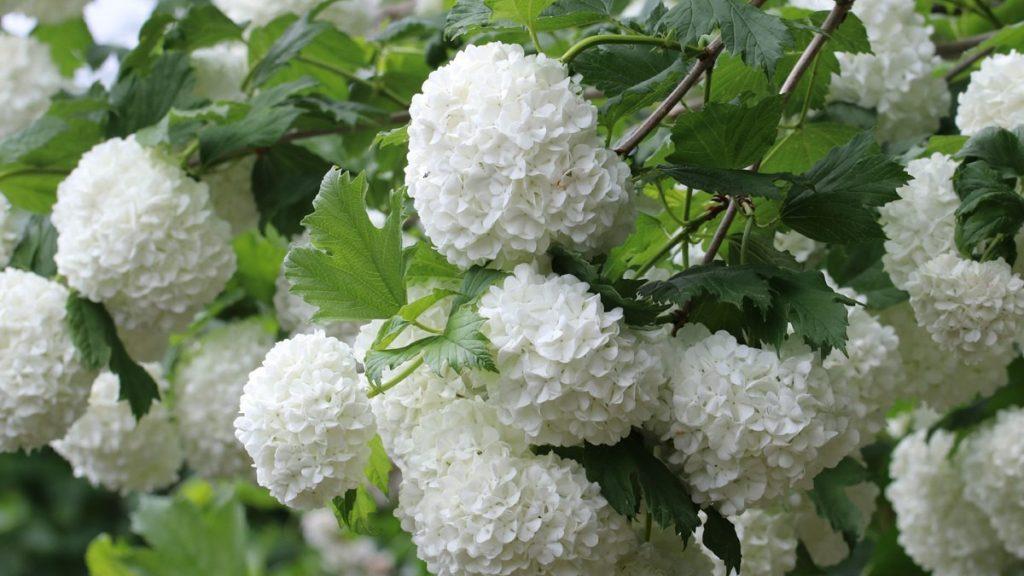
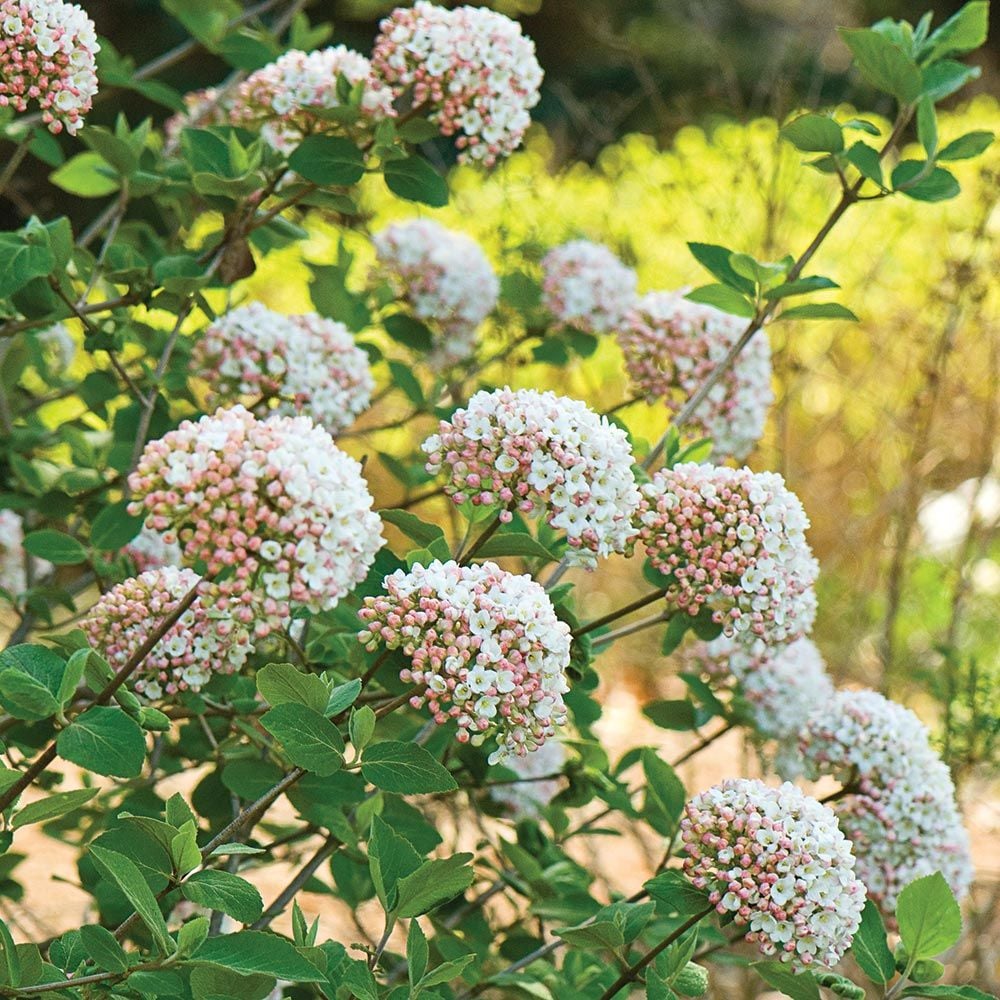
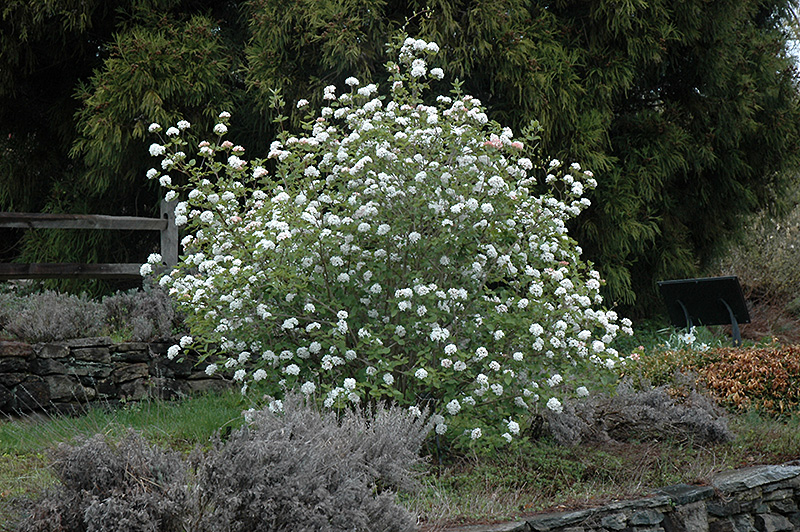
- Koreanspice viburnum: This is a deciduous shrub that produces clusters of fragrant pink flowers in the spring. It is hardy in zones 5-8.
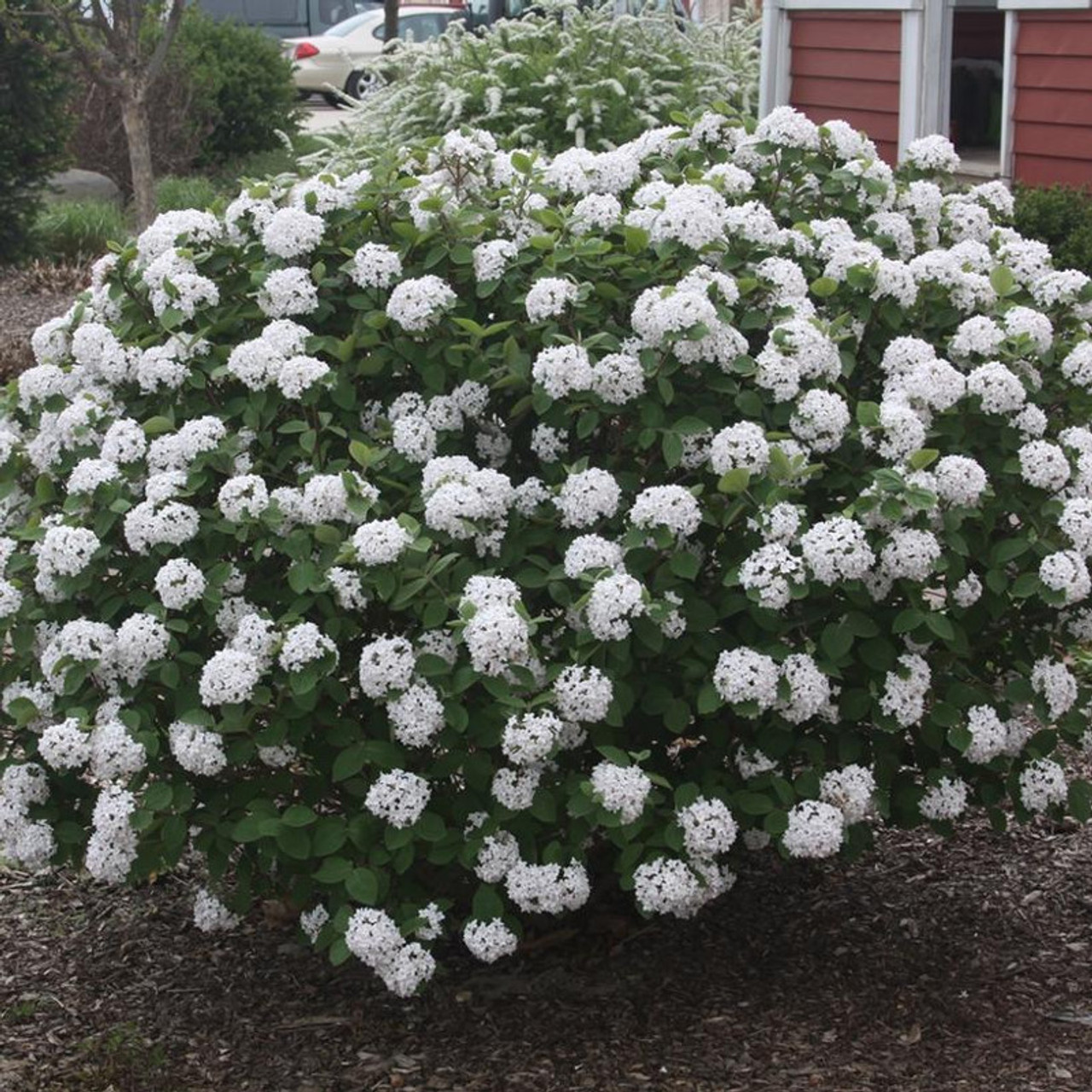
- Velvetleaf viburnum: This is a deciduous shrub that produces clusters of white flowers in the spring. The leaves of this viburnum are velvety to the touch. It is hardy in zones 5-8.

Planting and Care
Viburnum bushes are relatively easy to plant and care for. They prefer full sun to partial shade and well-drained soil. When planting viburnum bushes, it is important to dig a hole that is twice as wide as the root ball of the plant. Backfill the hole with soil and water the plant well.
Viburnum bushes do not require a lot of fertilizer. You can fertilize them once a year in the spring with a balanced fertilizer. Viburnum bushes are also relatively drought tolerant, but they will appreciate regular watering during the hot summer months.
Pests and Diseases
Viburnum bushes are generally resistant to pests and diseases. However, they can be susceptible to aphids, scale, and powdery mildew. If you notice any pests or diseases on your viburnum bushes, you can treat them with an insecticidal soap or fungicide.
Benefits of Growing Viburnum Bushes
There are many benefits to growing viburnum bushes in your garden. Here are a few of the most notable benefits:
- Beautiful flowers: Viburnum bushes are known for their beautiful flowers. The flowers can be white, pink, or purple, and they bloom in the spring or summer.
- Attract pollinators: Viburnum bushes attract butterflies, bees, and other pollinators. This is beneficial for the environment, as pollinators help to pollinate plants and flowers.
- Decorative: Viburnum bushes can add beauty and interest to any garden. They can be used as hedges, borders, or specimen plants.
- Easy to care for: Viburnum bushes are relatively easy to care for. They are drought tolerant and resistant to pests and diseases.
- Versatile: There are many different types of viburnum bushes, so you can find one that is perfect for your landscape.
Conclusion
Viburnum bushes are a great choice for gardeners who are looking for an easy-to-grow, beautiful, and versatile plant. With so many different types of viburnum bushes to choose from, you are sure to find one that is perfect for your garden.
Viburnum bushes are a beautiful and versatile addition to any landscape. They come in a variety of shapes, sizes, and colors, so there's sure to be a viburnum bush that's perfect for your yard. Whether you're looking for a flowering shrub for your front yard or a hardy shrub for your backyard, viburnums are a great option.
If you're interested in learning more about viburnum bushes, I recommend visiting Garden Wiki. This website has a wealth of information about viburnums, including species profiles, care tips, and planting advice. You can also find photos of viburnum bushes in bloom, so you can see for yourself how beautiful these shrubs can be.
FAQ of viburnum bush
1. What are the different types of viburnum bush?
There are over 200 species of viburnum bush, and they come in a variety of shapes, sizes, and colors. Some popular types of viburnum bush include:
- Viburnum carlesii: This bush has white flowerheads that bloom in spring and early summer. It has a dense, rounded shape and reddish leaves in autumn.
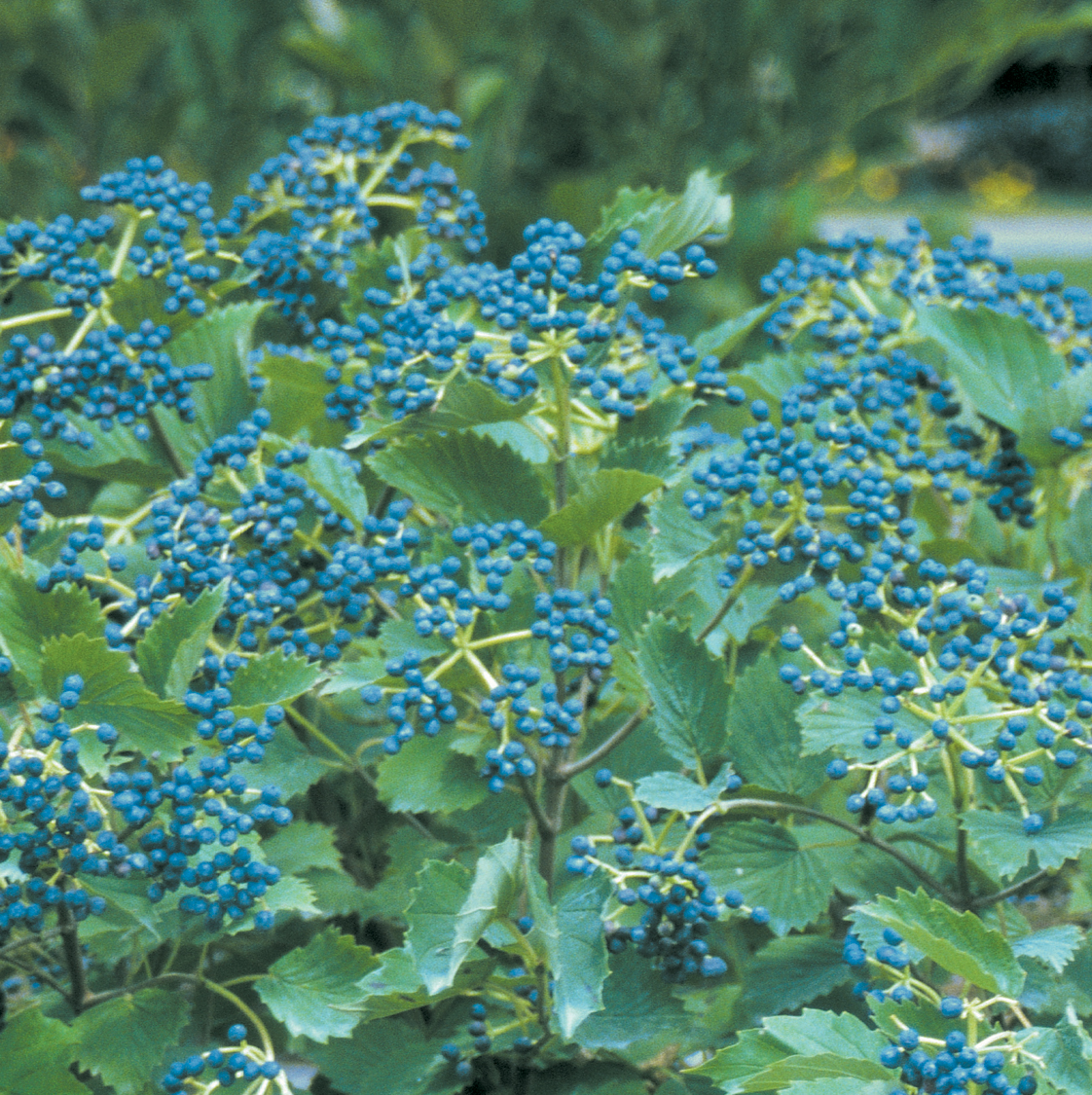
- Viburnum davidii: This evergreen bush has blue fruit and glossy green leaves. It is tolerant of shade and can be grown in zones 4-8.

- Viburnum dentatum: This bush has flat-topped flowers, bluish fruit, and reddish leaves in autumn. It is somewhat salt-tolerant and can be grown in zones 3-8.
- Viburnum opulus: This bush has white flowers that bloom in spring and early summer. It has a spreading habit and can grow up to 10 feet tall.
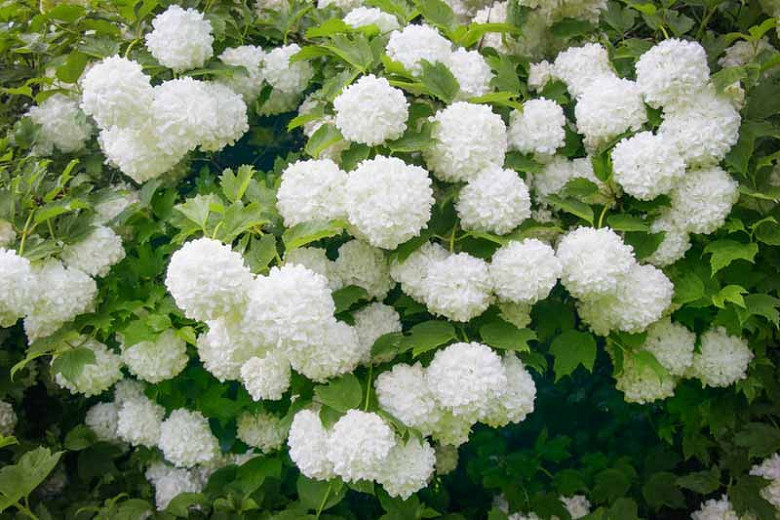
- Viburnum plicatum: This bush has white or pink flowers that bloom in spring and early summer. It has a weeping habit and can grow up to 15 feet tall.
2. What are the best conditions for viburnum bush?
Most viburnum bushes prefer full sun to partial shade and moist, well-drained soil. However, some species, such as Viburnum davidii, can tolerate shade and dry soil. Viburnum bushes are generally easy to care for and require little pruning. They can be propagated by seed, but the process is labor-intensive. Instead, take softwood cuttings when a 6-inch terminal branch snaps when bent, which is usually in summer.
3. How do I know if my viburnum bush is healthy?
A healthy viburnum bush will have glossy leaves, new growth, and no signs of pests or diseases. If your viburnum bush is looking unhealthy, it may be due to a lack of water, sunlight, or nutrients. It could also be infected with a pest or disease. If you are unsure of the cause of your viburnum bush's problems, it is best to consult with a garden expert.
4. How do I prune my viburnum bush?
Most viburnum bushes do not require much pruning. However, you may want to prune them to shape them or remove dead or diseased branches. Pruning should be done in late winter or early spring, before new growth begins. Use sharp shears or a pruning saw to make clean cuts.
5. How do I care for my viburnum bush in winter?
In most cases, viburnum bushes do not need special care in winter. However, if you live in an area with cold winters, you may want to mulch around the base of your bush to help protect it from the cold. You may also want to water your bush more frequently during the winter months.
Image of viburnum bush
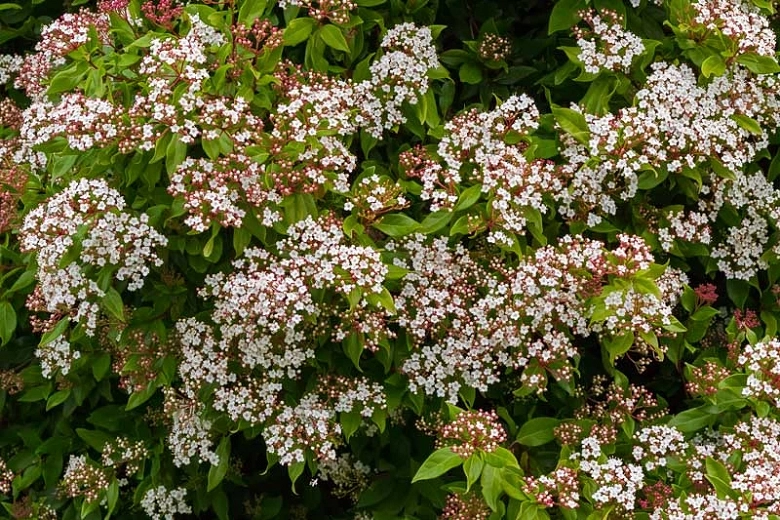
- Viburnum opulus, also known as snowball bush, is a deciduous shrub with large clusters of white flowers in spring.
- Viburnum carlesii, also known as Koreanspice viburnum, is a deciduous shrub with small, fragrant pink flowers in spring.
- Viburnum davidii, also known as Chinese snowball viburnum, is a deciduous shrub with white flowers in spring and red berries in fall.

- Viburnum x bodnantense, also known as doublefile viburnum, is an evergreen shrub with clusters of white flowers in spring.
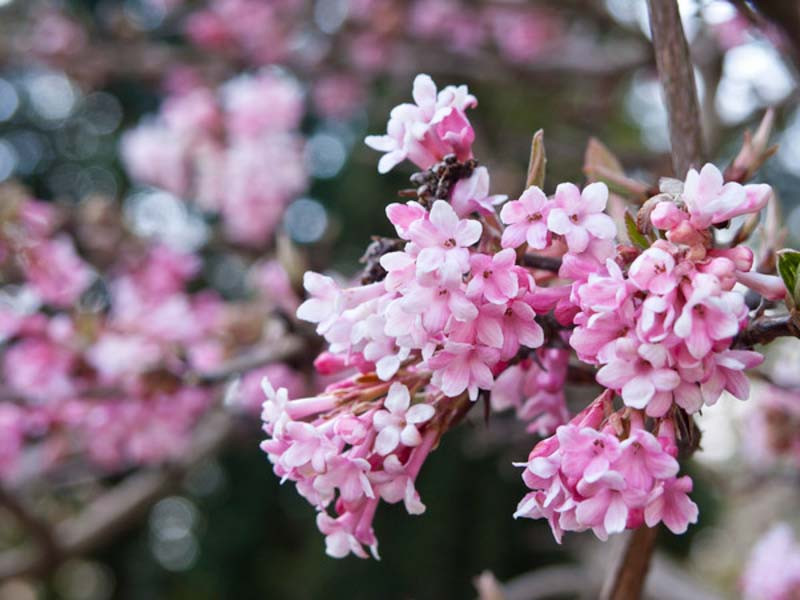
- Viburnum tinus, also known as laurustinus, is an evergreen shrub with clusters of white, pink, or purple flowers in winter and spring.

Post a Comment for "Viburnum Bush: The Easytogrow Shrub That Will"